Mortgage Rate Lock: How It Works and When Borrowers Should Use It
Kicking off with Mortgage Rate Lock: How It Works and When Borrowers Should Use It, this opening paragraph is designed to captivate and engage the readers, setting the tone casual formal language style that unfolds with each word.
Explaining the concept of a mortgage rate lock and how it functions, along with instances where borrowers might find it beneficial.
A mortgage rate lock is an agreement between a borrower and a lender that guarantees a specific interest rate on a mortgage loan for a designated period of time. This means that the borrower’s interest rate will not change during the rate lock period, even if market rates fluctuate.
When a borrower decides to lock in a mortgage rate, the lender will provide a written agreement outlining the terms of the rate lock, including the specific interest rate, the duration of the lock, and any associated fees. Once the rate lock is in place, the borrower is protected from potential interest rate increases.
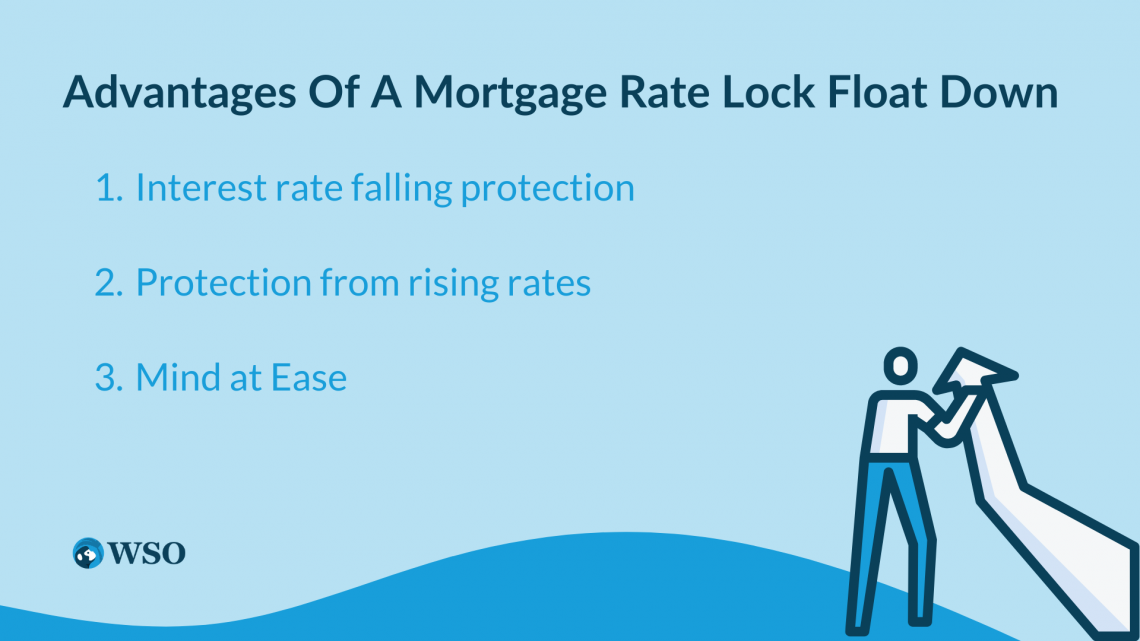
When borrowers secure a mortgage rate lock, they can enjoy several advantages that provide peace of mind and financial stability throughout the home buying process. One of the key benefits is protection against interest rate fluctuations, which can significantly impact the total cost of a mortgage.
Let’s explore in detail how a rate lock can benefit borrowers and provide them with a sense of security.
By locking in a specific interest rate, borrowers are shielded from sudden spikes in rates that could result in higher monthly payments. This protection is especially valuable in a rising interest rate environment, as it ensures that borrowers will pay the agreed-upon rate regardless of market changes.
For example, if a borrower locks in a rate of 4% for a 30-year fixed-rate mortgage, they will continue to pay 4% even if rates increase to 5% before closing on the loan. This stability allows borrowers to budget effectively and avoid any surprises in their mortgage payments.
Knowing that their mortgage rate is locked provides borrowers with a sense of financial security and peace of mind. It eliminates the uncertainty associated with interest rate fluctuations and allows borrowers to focus on other aspects of the home buying process.
With a rate lock in place, borrowers can confidently move forward with their home purchase, secure in the knowledge that their mortgage payments will remain consistent and manageable.
Consider a scenario where a borrower is in the process of purchasing a home and has found their dream property. However, interest rates have been on the rise, and the borrower is concerned about potential rate increases before closing. By securing a mortgage rate lock, the borrower can lock in a favorable rate and protect themselves from any future rate hikes, ensuring that they can afford the home they desire.In another scenario, a borrower is on a tight budget and needs to know exactly how much their mortgage payments will be each month.
By opting for a rate lock, the borrower can eliminate the uncertainty of fluctuating rates and plan their finances accordingly, providing stability and predictability in their homeownership journey.Overall, the benefits of a mortgage rate lock are clear, offering borrowers protection from interest rate fluctuations, financial security, and peace of mind as they navigate the home buying process.

When deciding to use a mortgage rate lock, borrowers should carefully consider various factors to ensure they make the best decision for their financial situation.
It’s important to weigh the advantages and disadvantages of using a rate lock based on the prevailing market conditions:
When it comes to securing a mortgage rate lock, there are specific steps that borrowers need to follow to ensure they lock in the best possible rate for their home loan. Here is a detailed guide on what borrowers need to do to initiate a rate lock agreement and any potential risks or considerations they should be aware of when locking in a rate.
When is the best time for borrowers to lock in their mortgage rate?
The best time to lock in a mortgage rate is when interest rates are low and you’re confident in your financial situation.
What are the risks of not using a rate lock agreement?
By not securing a rate lock, borrowers are susceptible to interest rate increases, potentially leading to higher monthly payments.
Can borrowers switch lenders after locking in a rate?
Generally, once you’ve locked in a rate with a lender, it’s challenging to switch to a different lender without risks or fees.