Home Insurance for Rental Properties: Landlord Coverage and Liability Explained
Beginning with Home Insurance for Rental Properties: Landlord Coverage and Liability Explained, the narrative unfolds in a compelling and distinctive manner, drawing readers into a story that promises to be both engaging and uniquely memorable.
Providing a detailed overview of the key aspects of home insurance for rental properties, this discussion aims to shed light on the nuances of landlord coverage and liability in a clear and informative manner.
Home insurance for rental properties is a type of insurance that provides coverage for landlords who rent out their properties to tenants. It helps protect the property from damages caused by unforeseen events like fires, natural disasters, or theft.
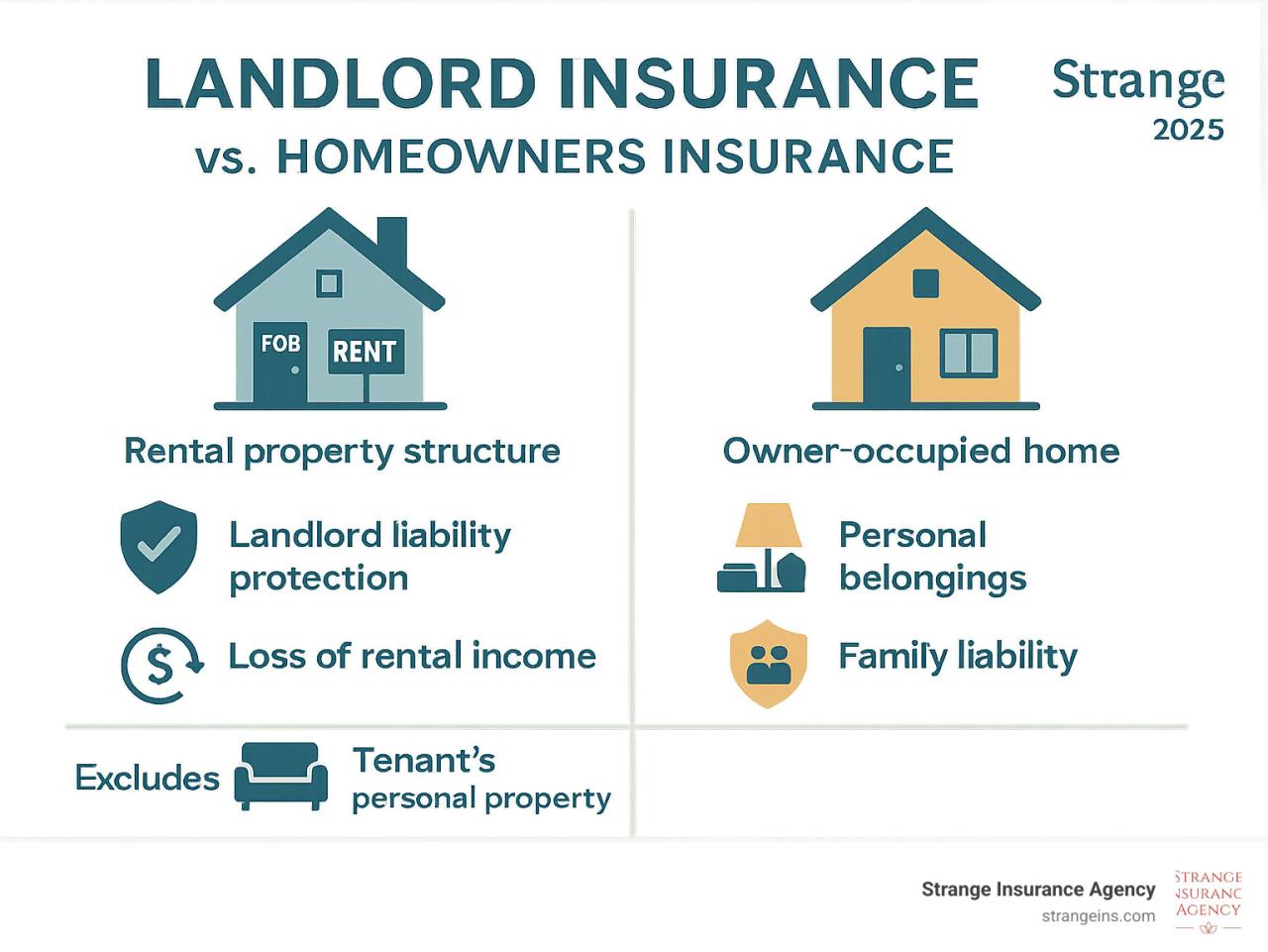
It is important to note the difference between landlord coverage and tenant insurance. Landlord coverage typically protects the physical structure of the property, while tenant insurance covers the tenant’s personal belongings and liability.
Having insurance for rental properties is crucial for landlords to safeguard their investment and mitigate financial risks. It provides peace of mind knowing that the property is protected in case of any unexpected incidents.
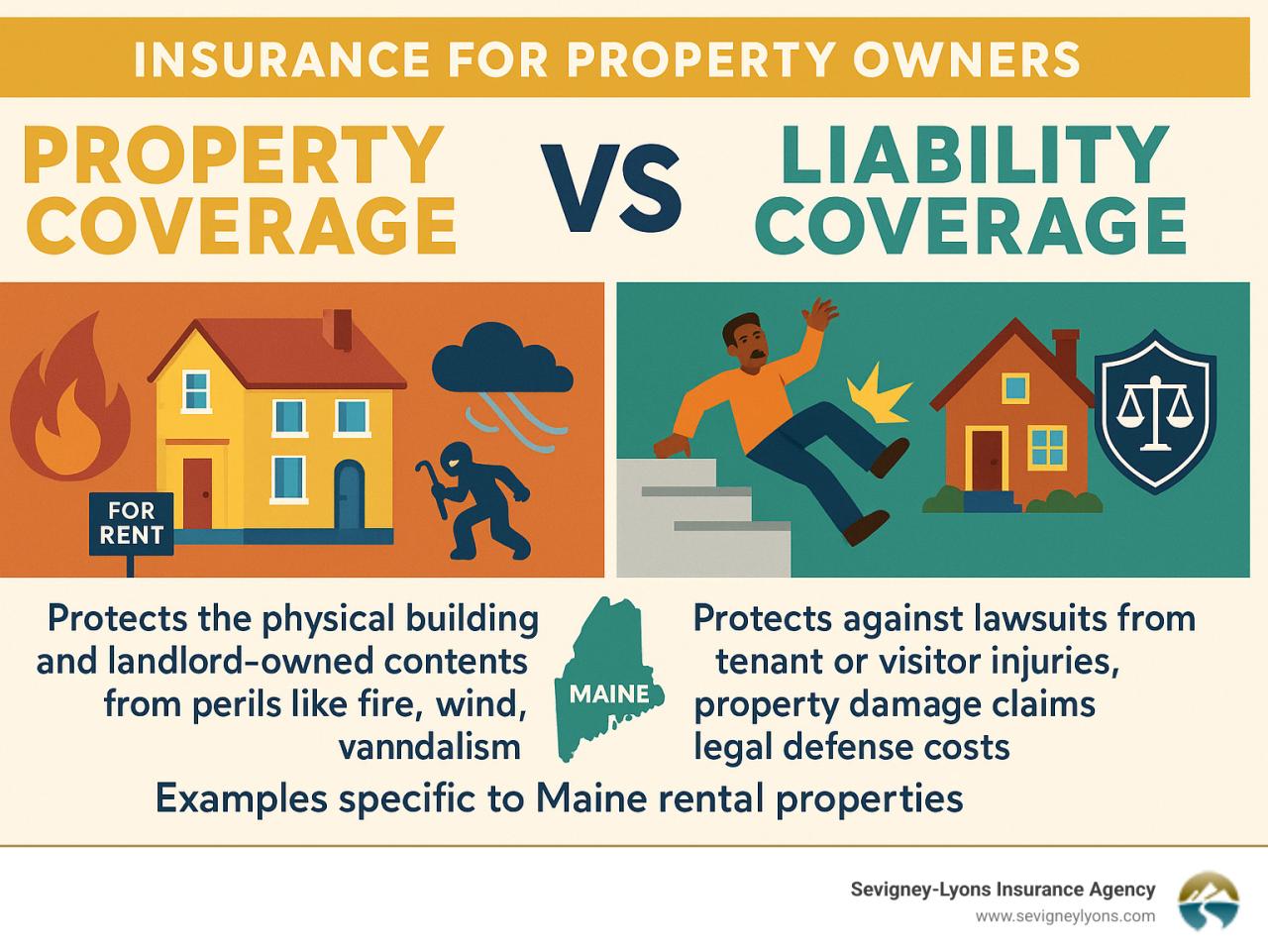
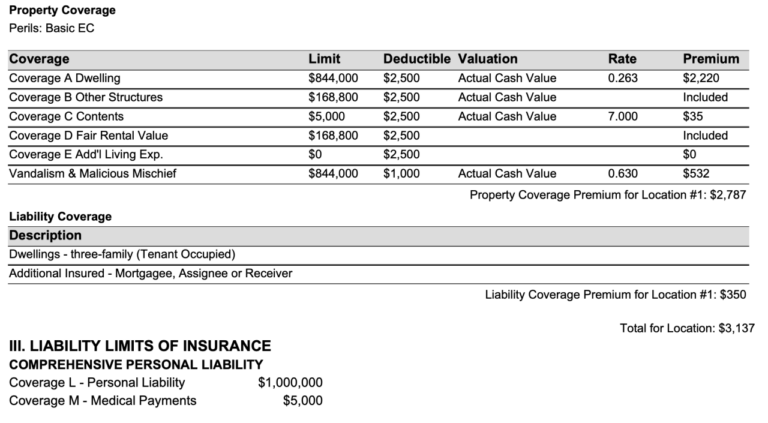
When it comes to protecting your rental property, landlord insurance is essential. This type of insurance provides coverage for the unique risks that landlords face, offering financial protection in case of unforeseen events.Landlord insurance typically includes the following types of coverage:
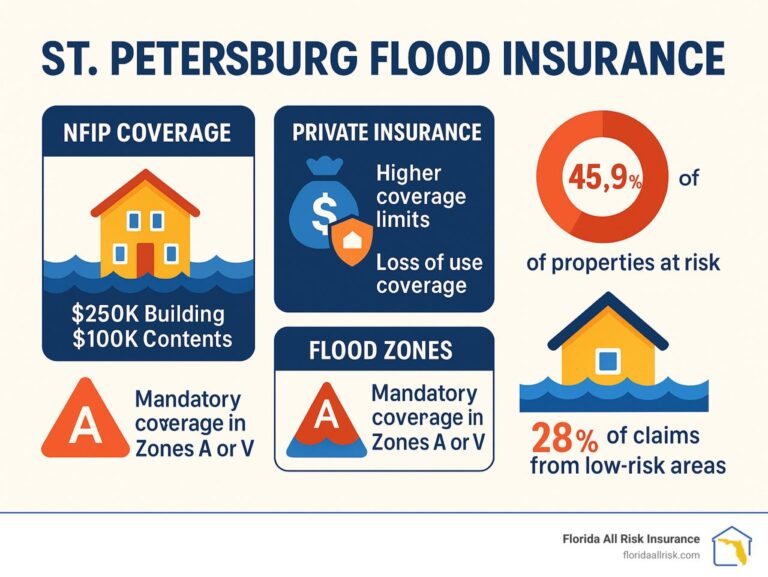
Landlord coverage can be beneficial in various scenarios, such as when a tenant damages your property, when a natural disaster strikes, or when a liability claim is filed against you. However, it’s essential to note that standard landlord insurance may have limitations and may not cover all potential risks.For this reason, landlords may need additional coverage, such as flood insurance, earthquake insurance, or umbrella liability insurance, to ensure comprehensive protection for their rental properties.
Understanding the specific risks associated with your rental property and discussing them with your insurance provider can help you determine the additional coverage you may need.
Landlord insurance typically includes liability coverage, which protects landlords from financial losses in case a tenant or visitor is injured on the rental property. This coverage extends to legal fees, medical expenses, and settlements if the landlord is found liable for the injury.
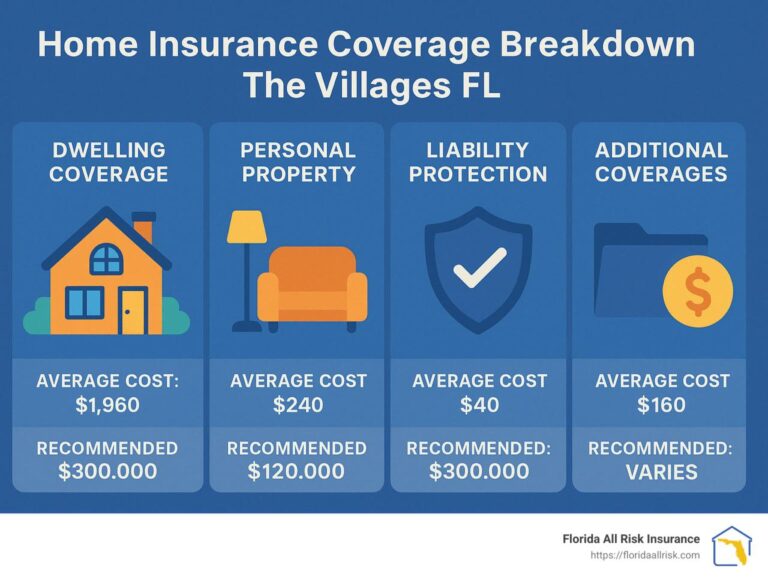
When it comes to determining insurance costs for rental properties, there are several key factors that come into play. These factors can significantly impact the premiums you pay and the coverage you receive. Understanding these influences is crucial for landlords looking to protect their investment.
The location of your rental property plays a significant role in determining insurance costs. Properties located in areas prone to natural disasters such as hurricanes, floods, or earthquakes will generally have higher premiums due to the increased risk of damage.
Additionally, properties in high-crime areas may also face higher insurance costs as they are more likely to experience theft or vandalism. On the other hand, properties in low-risk areas with good infrastructure and security measures may qualify for lower premiums.
Property maintenance is another crucial factor that can influence insurance costs for rental properties. Regular maintenance and upkeep of your property can help prevent issues such as water damage, mold growth, or structural damage. Insurance companies often take into account the condition of the property when determining premiums.
Neglecting maintenance can lead to higher insurance costs as insurers see it as an increased risk for potential claims. By investing in property maintenance, landlords can not only reduce insurance premiums but also protect their property in the long run.
When it comes to insuring rental properties, landlords need to carefully consider their insurance options to ensure adequate coverage and protection. Here are some tips to help landlords choose the right insurance policy for their rental properties.
Reviewing and comparing different insurance options is crucial for landlords to ensure they are getting the best coverage at the most competitive price. By comparing policies, landlords can find the right balance between coverage and cost, ultimately protecting their investment and minimizing financial risk.
What does landlord coverage typically include?
Landlord coverage usually includes property damage protection, loss of rental income coverage, and liability insurance to safeguard against potential lawsuits.
Why is liability coverage important for landlords?
Liability coverage is crucial for landlords as it protects them from legal claims or lawsuits if a tenant or visitor is injured on the rental property. It provides financial security and peace of mind in such situations.
How can property maintenance impact insurance costs for rental properties?
Regular property maintenance can help reduce insurance costs by preventing potential risks or damages. Insurance providers often offer lower premiums for well-maintained properties, reflecting a lower risk of claims.