Offset Mortgage vs Standard Home Loan: Which Can Save More Interest?
Delving into the realm of Offset Mortgage vs Standard Home Loan: Which Can Save More Interest?, this paragraph sets the stage for an enlightening exploration, drawing readers in with captivating insights and revelations.
The subsequent paragraph elucidates the intricate details of the topic in a clear and descriptive manner.

When comparing offset mortgages to standard home loans, there are several key differences to consider. Offset mortgages allow borrowers to link their savings or current account to their mortgage, reducing the amount of interest paid. On the other hand, standard home loans are traditional mortgages where the borrower pays interest on the full loan amount.
With an offset mortgage, the borrower’s savings or current account balance is offset against the outstanding mortgage balance. For example, if a borrower has a mortgage of $200,000 and savings of $50,000, they will only pay interest on the net balance of $150,000.
This can lead to significant interest savings over the life of the loan.
Standard home loans involve borrowing a set amount of money to purchase a property and paying interest on the full loan amount. For instance, if a borrower takes out a $250,000 mortgage, they will pay interest on the entire $250,000 from the start of the loan term.
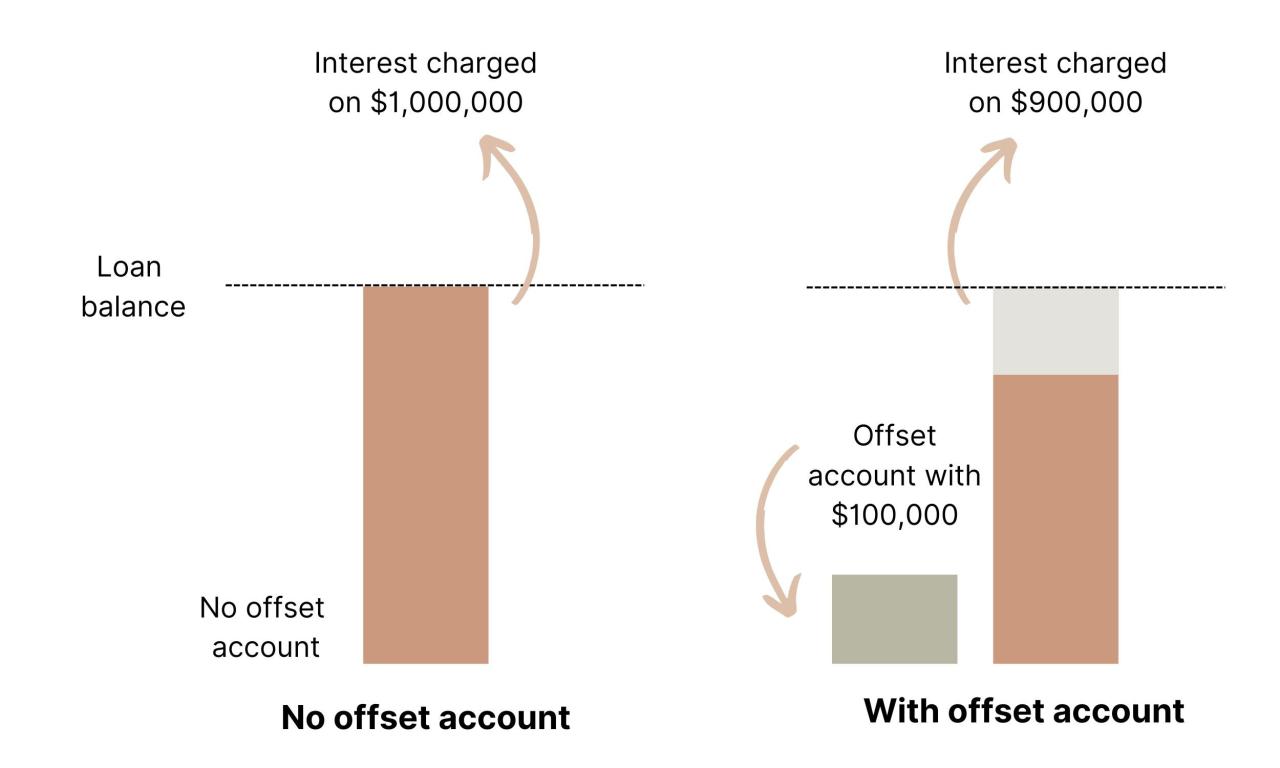
Offset mortgages and standard home loans utilize different methods for calculating interest, ultimately impacting the total amount paid over the loan term.
Offset mortgages calculate interest based on the outstanding balance of the loan minus the balance in a linked savings or current account. The interest is charged on the net balance, reducing the amount of interest paid over time. Essentially, the interest is offset by the funds in the linked account, resulting in lower overall interest payments.
On the other hand, standard home loans calculate interest based on the entire outstanding balance of the loan. This means that interest is charged on the full loan amount throughout the term of the loan. As a result, borrowers end up paying more interest over time compared to offset mortgages.Overall, the interest calculation method significantly impacts the total amount paid over the loan term.
Offset mortgages can offer potential savings by reducing the interest paid through offsetting funds in a linked account, while standard home loans result in higher total interest payments due to interest being charged on the full loan amount.
Offset mortgages have the potential to save more interest compared to standard home loans due to their unique interest calculation methods. By linking your savings and current account balances to your mortgage, you can reduce the amount of interest you pay over the term of the loan.
Let’s consider a scenario where a homeowner has a mortgage of $300,000 and savings of $50,000. With an offset mortgage, the $50,000 in savings is offset against the mortgage balance, reducing the interest payable on the remaining $250,000. This can lead to significant interest savings over the life of the loan compared to a standard home loan where the savings are kept separate.
By offsetting savings against the mortgage balance, homeowners can potentially save thousands of dollars in interest payments over the loan term.
When it comes to offset mortgages versus standard home loans, one key aspect to consider is the flexibility in repayment options. This can have a significant impact on how much interest you end up saving over the life of the loan.
Offset mortgages typically offer more flexibility in repayment options compared to standard home loans. Borrowers have the ability to make extra repayments, redraw funds if needed, or even take repayment holidays in some cases. This level of flexibility can help borrowers manage their finances more effectively and potentially reduce the amount of interest paid over time.
In terms of repayment schedules, offset mortgages often allow for more customized options. Borrowers can choose to make weekly, bi-weekly, or monthly payments, depending on what works best for their financial situation. On the other hand, standard home loans may have more rigid repayment schedules, limiting borrowers’ ability to tailor their payments to align with their cash flow.
The flexibility in repayment options offered by offset mortgages can directly impact the overall interest savings. By making extra repayments when possible or utilizing features like redraw facilities, borrowers can reduce the outstanding balance on their mortgage faster, leading to less interest being charged over time.
This level of control over repayments can result in substantial savings in interest costs compared to a standard home loan with less flexibility.
What are the key differences between offset mortgages and standard home loans?
Offset mortgages allow you to link your savings to your mortgage to reduce the interest you pay, while standard home loans do not offer this feature.
How is interest calculated for offset mortgages?
Interest for offset mortgages is calculated on the difference between the mortgage balance and the linked savings balance.
Can flexible repayment options impact overall interest savings?
Yes, flexible repayment options can help reduce the total interest paid over the loan term by allowing borrowers to make extra payments or use savings to offset interest.