Property Insurance for High-Risk Areas: Coverage Options and Premium Costs
Kicking off with Property Insurance for High-Risk Areas: Coverage Options and Premium Costs, this introduction aims to provide a comprehensive overview of the topic, shedding light on the importance of insurance in high-risk areas and the various coverage options available.
The subsequent paragraphs will delve deeper into the specific coverage options, factors influencing premium costs, and mitigation strategies for property owners in these areas.

In the realm of property insurance, high-risk areas are geographical locations that are prone to specific hazards or perils that increase the likelihood of property damage or loss. These areas may be susceptible to natural disasters such as floods, earthquakes, hurricanes, or wildfires, as well as man-made risks like high crime rates or vandalism.
In high-risk areas, property insurance plays a crucial role in providing financial protection and peace of mind to property owners. Without adequate insurance coverage, individuals in these regions face the risk of significant financial losses in the event of property damage or destruction.
Insurance policies tailored to high-risk areas are designed to mitigate the specific risks associated with these locations, offering policyholders the necessary support to recover from unforeseen events.
Property insurance in high-risk areas is not only a financial safeguard but also a practical necessity for property owners looking to protect their investments and assets in the face of potential risks.
When it comes to properties located in high-risk areas, having the right insurance coverage is crucial to protect against potential risks and damages. Insurance options for properties in these areas often differ from standard property insurance due to the increased likelihood of natural disasters or other hazards.
Understanding the specific coverage options available for properties in high-risk areas is essential for property owners to make informed decisions.
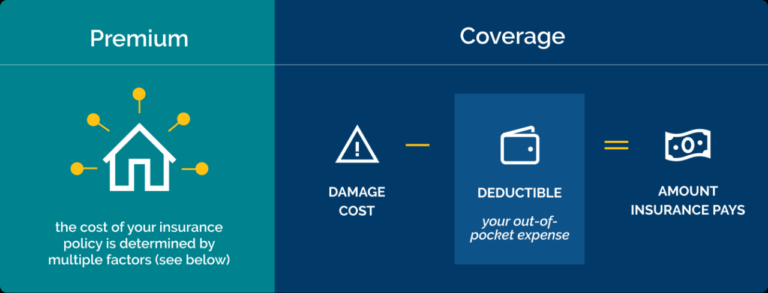
When it comes to property insurance for high-risk areas, several factors influence the premium costs that property owners have to pay. These factors are crucial in determining the overall cost of coverage and can vary significantly based on specific circumstances.
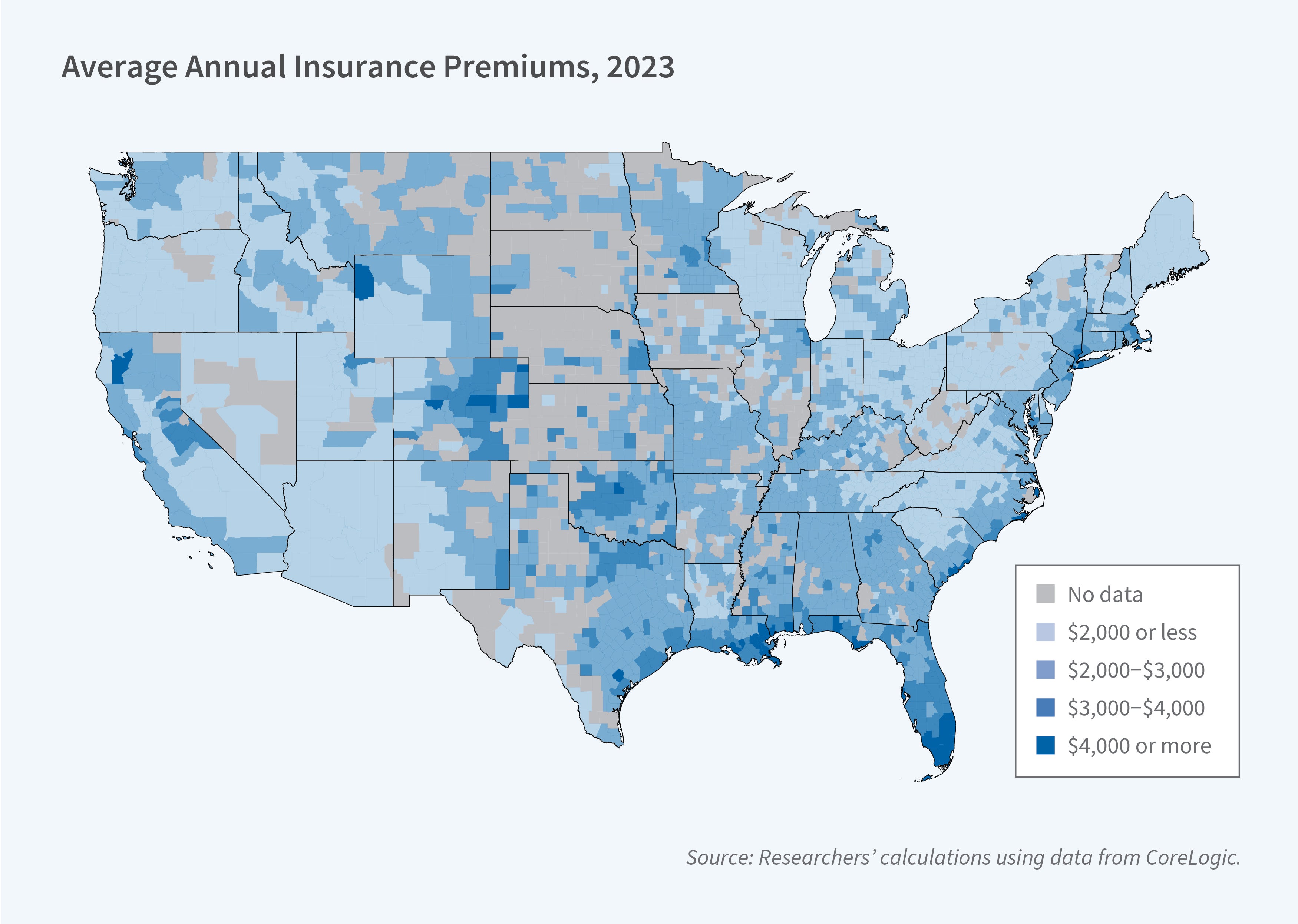
Location is one of the primary factors that play a significant role in determining premium costs for properties in high-risk areas. Insurance companies assess the risk associated with the location of a property, considering factors such as proximity to bodies of water, susceptibility to natural disasters, crime rates in the area, and other environmental risks.
Properties located in areas prone to frequent flooding, hurricanes, wildfires, or earthquakes are considered high-risk and typically attract higher insurance premiums.
The characteristics of the property itself, such as the age of the building, construction materials used, and the presence of safety features like fire alarms and security systems, can also impact premium costs. Older properties or those made of materials prone to damage may require higher premiums due to increased risk.Additionally, the property’s previous claims history plays a crucial role in determining premium costs.
Properties with a history of frequent claims or extensive damage are seen as higher risks by insurance companies and may face higher premiums as a result. Insurers take into account the likelihood of future claims based on past incidents when calculating premium costs for properties in high-risk areas.Overall, factors such as location, property characteristics, and previous claims history all contribute to the determination of premium costs for properties in high-risk areas.
Property owners should be aware of these factors and take steps to mitigate risks to potentially lower their insurance premiums.
When it comes to reducing insurance premiums in high-risk areas, property owners can implement various mitigation strategies. Making specific modifications to the property and focusing on risk assessment and prevention measures can play a crucial role in lowering premium costs.
Making certain modifications to the property can help reduce insurance premiums significantly. Some strategies include:
Conducting a thorough risk assessment and implementing prevention measures can also lead to lower insurance premiums. Property owners can:
What specific types of coverage are available for properties in high-risk areas?
Property owners in high-risk areas can typically access specialized coverage such as flood insurance, earthquake insurance, or wildfire insurance to protect their assets.
How does the location of a property impact premium costs?
The location of a property in a high-risk area can significantly influence premium calculations due to factors like proximity to water bodies, seismic fault lines, or dense forest areas.
Are there any discounts available for property owners who implement risk mitigation measures?
Yes, insurance companies often offer discounts to property owners who take proactive steps to reduce risks, such as installing security systems or reinforcing the property against natural disasters.