Selling a House With Tenants: Costs, Legal Considerations, and Buyer Options
Starting off with Selling a House With Tenants: Costs, Legal Considerations, and Buyer Options, this introduction aims to grab the readers’ attention, providing an insightful overview of the subject matter.
The following paragraph will delve into the specifics of the topic, offering detailed information for the readers to delve into.
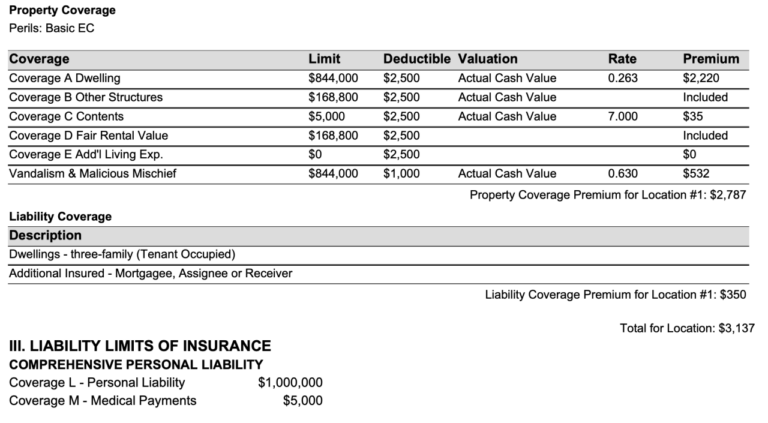
When selling a house with tenants, there are several potential costs that sellers need to consider. These costs can vary depending on the condition of the property, the lease agreements with tenants, and other factors that may arise during the selling process.

When selling a house with tenants, there are important legal considerations that landlords need to be aware of in order to ensure a smooth and legal transaction.
When considering purchasing a property with existing tenants, buyers have several options to explore. Each option comes with its own set of pros and cons, as well as considerations to keep in mind. Understanding these options can help buyers make informed decisions when navigating tenant-occupied properties.
What are the potential costs involved in selling a house with tenants?
The costs may include expenses for maintenance, repairs, utilities, and potential unexpected costs during the selling process.
What legal rights and responsibilities do landlords and tenants have during a sale?
Landlords and tenants have specific rights and responsibilities Artikeld in lease agreements and local laws that need to be adhered to during a sale.
What are the different buyer options when purchasing a property with tenants?
Buyers can choose to keep existing tenants, negotiate new terms, or work towards a vacant possession depending on their preferences and circumstances.